The Thrill of Risk and Reward
The allure of casino games often stems from the psychological principles of risk and reward. Players are drawn to the excitement of potentially winning large sums of money, which can trigger the release of dopamine in the brain. This neurotransmitter, commonly associated with pleasure and reward, reinforces the behavior of gambling and can lead to a cycle where players continually seek the thrill of a win. In many cases, a popular option is to try an online sweepstakes casino, allowing them to experience excitement from home. The excitement is not just about the financial gain; it’s about the adrenaline rush that comes with the uncertainty of the outcome.
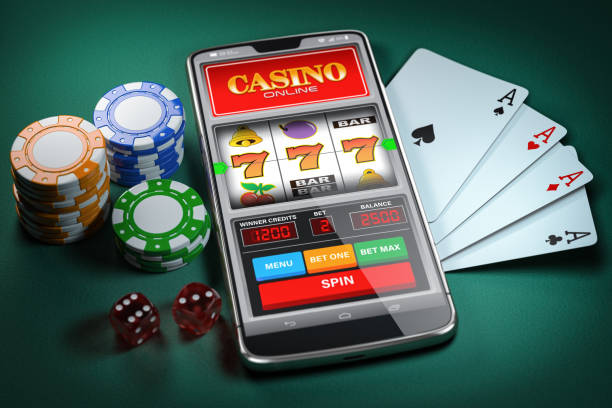
Moreover, the thrill of taking risks can overshadow the logical understanding of probabilities. Many players believe they have strategies that can increase their chances of winning, even when the odds are firmly in favor of the house. This cognitive distortion, often called the “gambler’s fallacy,” can lead to an overestimation of one’s chances, making the experience even more captivating. As players chase their next win, they often ignore previous losses, further entrenching them in a cycle of hopeful gambling.
The Role of Superstitions and Beliefs
Superstitions play a significant role in the psychology of casino gaming. Many players develop personal rituals or beliefs that they believe affect their luck. For example, some might wear lucky clothing or avoid certain numbers, convinced that these actions will influence their chances of winning. Such behaviors are rooted in the psychology of control; players feel that they can influence outcomes through their actions, even in a game of chance. This can provide a comforting sense of control in an otherwise unpredictable environment.
Additionally, casinos often design their spaces to exploit these superstitions. The symbols, sounds, and colors used in games can create an environment of excitement and anticipation, enhancing players’ desire to keep playing. For instance, the ringing of slot machines can condition players to associate sound with winning, reinforcing the belief that they’re on the brink of a big win. This psychological manipulation keeps players engaged and spending, as they cling to their beliefs despite the odds.
The Impact of Social Dynamics
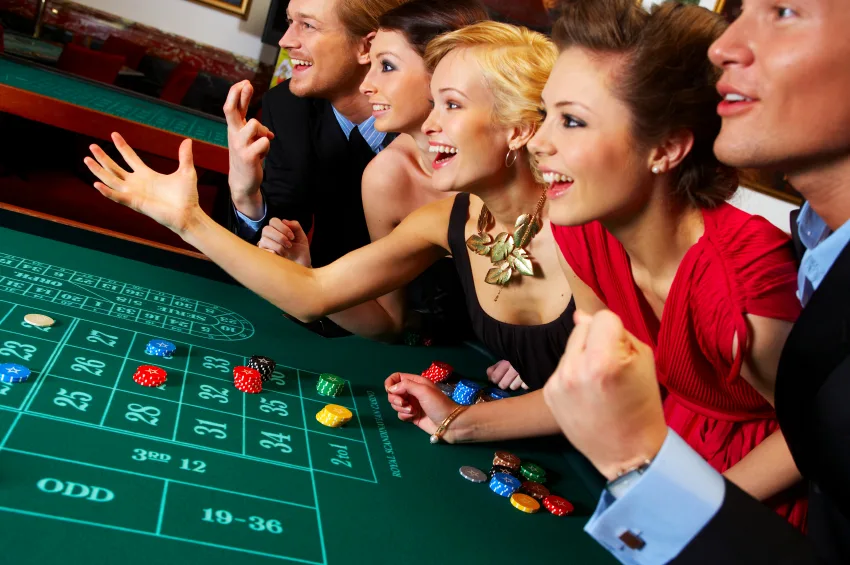
Social dynamics significantly influence the experience of casino gaming. Many individuals enjoy going to casinos for the social atmosphere. The shared excitement among players can enhance the gambling experience, creating a sense of community and camaraderie. This social interaction can lead to heightened emotions, causing players to make decisions they might not otherwise make alone. The presence of others can amplify feelings of competition and excitement, often resulting in increased spending and risk-taking.
Furthermore, peer pressure can play a role in how individuals engage with casino games. Observing friends or fellow gamblers winning can encourage players to take bigger risks, driven by the desire to replicate that success. The social aspect of gambling can deepen the emotional investment in the play, making it harder for individuals to walk away, even when they are losing. Thus, the social dynamics at play can significantly shape one’s gambling behavior and outcomes.
The Aftermath of Wins and Losses
The emotional aftermath of wins and losses in casino games reveals much about human psychology. Winning can lead to temporary euphoria and increased confidence, reinforcing the desire to continue playing. However, the thrill of winning is often short-lived, and the anticipation of future winnings can create a cycle of gambling that is hard to break. Conversely, losses can lead to feelings of frustration and disappointment, prompting some players to chase their losses in hopes of regaining their previous status.
This tendency to chase losses can often lead to a destructive cycle of gambling, as players become more desperate to recover their losses. It’s important to recognize that emotions can heavily influence decision-making in these scenarios. Many players may ignore their financial limits in pursuit of a win, which can have serious financial consequences. Understanding these emotional triggers can help players develop healthier gambling habits and recognize when it is time to step away.
Conclusion: Understanding Casino Dynamics
Understanding the psychology behind casino games is crucial for players looking to navigate the complex world of gambling responsibly. The interplay of risk, reward, superstition, social dynamics, and emotional responses creates a rich tapestry that influences how individuals engage with these games. Recognizing these factors can not only enhance one’s gaming experience but can also foster a greater awareness of personal limits and responsible gaming practices.
As we delve into these psychological elements, it is essential to approach casino gaming with a mindful perspective. Resources and support systems are available for those who find themselves struggling with gambling behaviors. Ultimately, the key is to enjoy the experience while remaining aware of the psychological forces at play, ensuring a balanced and enjoyable interaction with the world of casino games.
